March 15, 2026 · Transit · San Diego, CA
San Diego Trolley Green Line Expansion Plans Unveiled
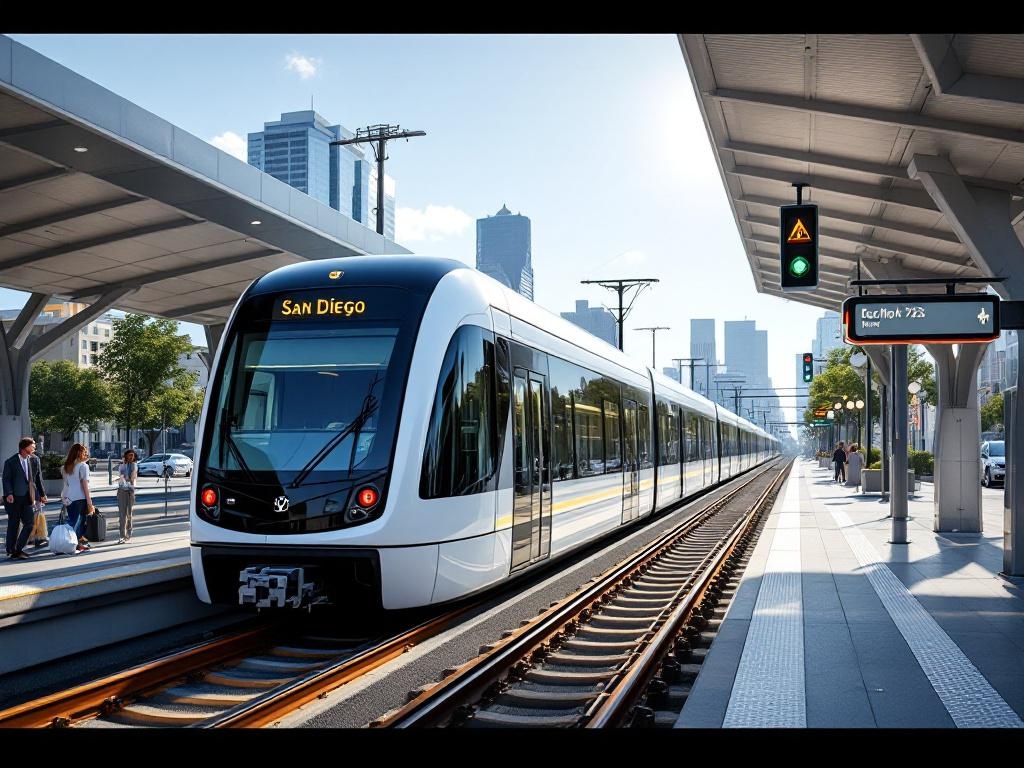
San Diego's public transportation landscape is set for a major transformation as the Metropolitan Transit System (MTS) officially unveiled its plans for the Green Line trolley expansion. This ambitious project, estimated at $2.8 billion, aims to extend the existing Green Line by adding seven new stations, enhancing connectivity across the region and promoting sustainable urban mobility. The announcement, made during a press conference at the MTS headquarters, marks a significant step forward in addressing the city's growing transportation needs.
Project Overview and Scope
The Green Line, which currently runs from Santee to downtown San Diego, will be extended further south and east, integrating underserved communities into the trolley network. The new extension will span approximately 12 miles, featuring stations in key locations such as Lemon Grove, Spring Valley, and parts of southeastern San Diego. MTS officials highlighted that this expansion is not just about adding tracks but about creating a more inclusive and efficient transit system that reduces reliance on personal vehicles.
According to MTS CEO Sharon Cooney, "This project represents a pivotal investment in San Diego's future. By extending the Green Line, we're connecting more residents to jobs, education, and essential services while reducing traffic congestion and carbon emissions." The expansion is expected to serve an additional 50,000 daily riders by 2035, based on preliminary projections.
The seven new stations will be designed with modern amenities, including solar-powered lighting, real-time arrival displays, and enhanced accessibility features for people with disabilities. Each station will also incorporate public art installations, reflecting the cultural diversity of the neighborhoods they serve.
Funding and Timeline
Securing the $2.8 billion funding has been a collaborative effort involving federal grants, state allocations, and local contributions. A significant portion, about $1.5 billion, comes from the Federal Transit Administration's Capital Investment Grants program. The remaining funds are sourced from California's Transportation Development Act and San Diego's TransNet sales tax measure.
The timeline for the project is aggressive yet realistic. Preliminary engineering and design work will begin in late 2026, with construction slated to start in 2028. The environmental review process, a critical phase, is expected to conclude by mid-2027. MTS has committed to a transparent process, including public hearings and stakeholder engagements to gather input.
Completion is targeted for 2031, aligning with San Diego's broader goals under the California High-Speed Rail initiative and local climate action plans. Delays could arise from supply chain issues or unforeseen environmental challenges, but MTS has built contingencies into the schedule.
Environmental Review and Sustainability Focus
A cornerstone of the project is its comprehensive environmental review, mandated under the California Environmental Quality Act (CEQA) and the National Environmental Policy Act (NEPA). This review will assess impacts on local ecosystems, air quality, and noise levels, ensuring the expansion minimizes harm to the environment.
Sustainability is woven into every aspect of the design. The new trolley lines will utilize energy-efficient electric vehicles, and stations will feature green roofs and rainwater harvesting systems. MTS plans to offset construction emissions through tree-planting programs and partnerships with local conservation groups.
Environmental advocates have praised the project for its potential to reduce greenhouse gas emissions by encouraging public transit use. However, concerns have been raised about habitat disruption in sensitive areas, prompting MTS to conduct thorough biological surveys and mitigation strategies.
Community Impact and Benefits
The expansion promises substantial benefits for San Diego's diverse communities. By improving access to affordable transportation, it will help bridge economic divides, particularly in lower-income neighborhoods. Residents in areas like Spring Valley, which have historically lacked robust transit options, will gain easier access to downtown employment centers and educational institutions.
Local businesses are also expected to thrive, with increased foot traffic around new stations. Economic studies project the creation of over 10,000 jobs during construction and hundreds more in ongoing operations and maintenance.
Community input has been integral from the outset. MTS has held numerous workshops and online forums to incorporate resident feedback, resulting in adjustments like additional bike lanes and pedestrian pathways adjacent to stations.
Challenges and Future Outlook
While excitement surrounds the project, challenges remain. Rising construction costs and potential labor shortages could impact the budget. Additionally, integrating the new line with existing infrastructure requires precise coordination to avoid service disruptions.
Looking ahead, the Green Line expansion is just one piece of San Diego's transit puzzle. MTS envisions further extensions and integrations with bus rapid transit systems, creating a seamless network that rivals those in larger metropolitan areas.
As San Diego continues to grow, investments like this are crucial for sustainable development. The Green Line expansion not only addresses current needs but sets the stage for a more connected, eco-friendly future.
In conclusion, the unveiling of these plans signals a new era for public transit in San Diego. With careful planning and community involvement, the project is poised to deliver lasting benefits for generations to come.